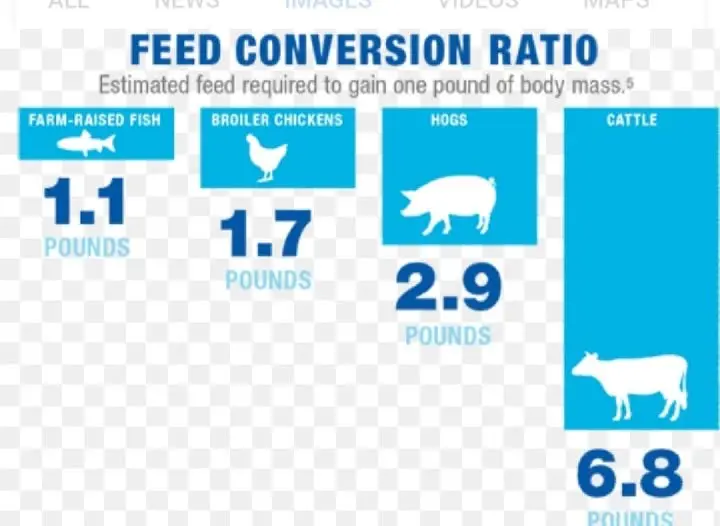
新闻摘要:文章从畜牧业的核心指标——料肉比(饲料转化率 FCR)出发,解释了不同动物的饲料效率为何差异巨大,并给出鱼、鸡、猪、羊、牛等常见养殖动物的典型料肉比排序。作者指出,料肉比越低、出栏越快、养殖性价比越高,因此养殖者会在饲料投入与产品售价之间寻找平衡。
将这个逻辑套到大象身上,问题就很明显:大象既未被真正驯化、成熟期长(需十余年)、每日食量大,且肉质偏柴,屠宰与管理难度高。文中通过估算与圈养数据,把非洲森林象的料肉比估算到约111(远高于牛、猪、鸡),由此得出养殖大象做肉用在经济上不可行的结论。
思考与启发:这则科普既有数字也有常识,提醒我们在日常生活与公共决策中都要量力而行、先算代价再做打算。合理分配粮食和资源,不只关乎经济效益,也关系到邻里和社群的长远福祉。
天经:你们中间谁要盖一座楼,不先坐下算计花费,能盖成不能呢?——《引支勒·路加卷 14:28》
链接:📖 查看经文
### English Translation
Title: Why No One Raises Elephants for Their MeatNews Summary
The article begins with the key metric in livestock farming— the feed‑to‑meat ratio (feed conversion rate, FCR). It explains why different animals vary so widely in how efficiently they turn feed into meat, and it lists the typical FCRs for common farmed species such as fish, chicken, pork, sheep and cattle. The lower the FCR, the faster the animal reaches market weight and the better the economic return. Therefore, producers constantly balance the cost of feed against the price they can sell the meat for.
Applying that logic to elephants makes the problem crystal‑clear: elephants have never been truly domesticated, they take more than ten years to reach maturity, they eat an enormous amount each day, their meat is tough and unpalatable, and both slaughter and management are very difficult. Using estimates and data from captive herds, the article calculates that the African forest elephant’s FCR is roughly 111—far higher than that of cows, pigs or chickens. From this the author concludes that raising elephants for meat is economically infeasible.
Thoughts and Take‑aways
The piece blends hard numbers with common sense, reminding us that in everyday life and public policy we must “count the cost” before we act. Wise allocation of food and other resources is not only a matter of profit; it also affects the well‑being of our neighbors and the long‑term health of our communities.
Scripture: “Suppose one of you wants to build a tower. Does he not first sit down and estimate the cost to see if he has enough to complete it?” — Luke 14:28 (paraphrased)
[Read the passage] (https://www.huizu-tianjing.icu/yinzhile/lujiajuan/14)
来源:https://www.zhihu.com/question/1965734865191301577